
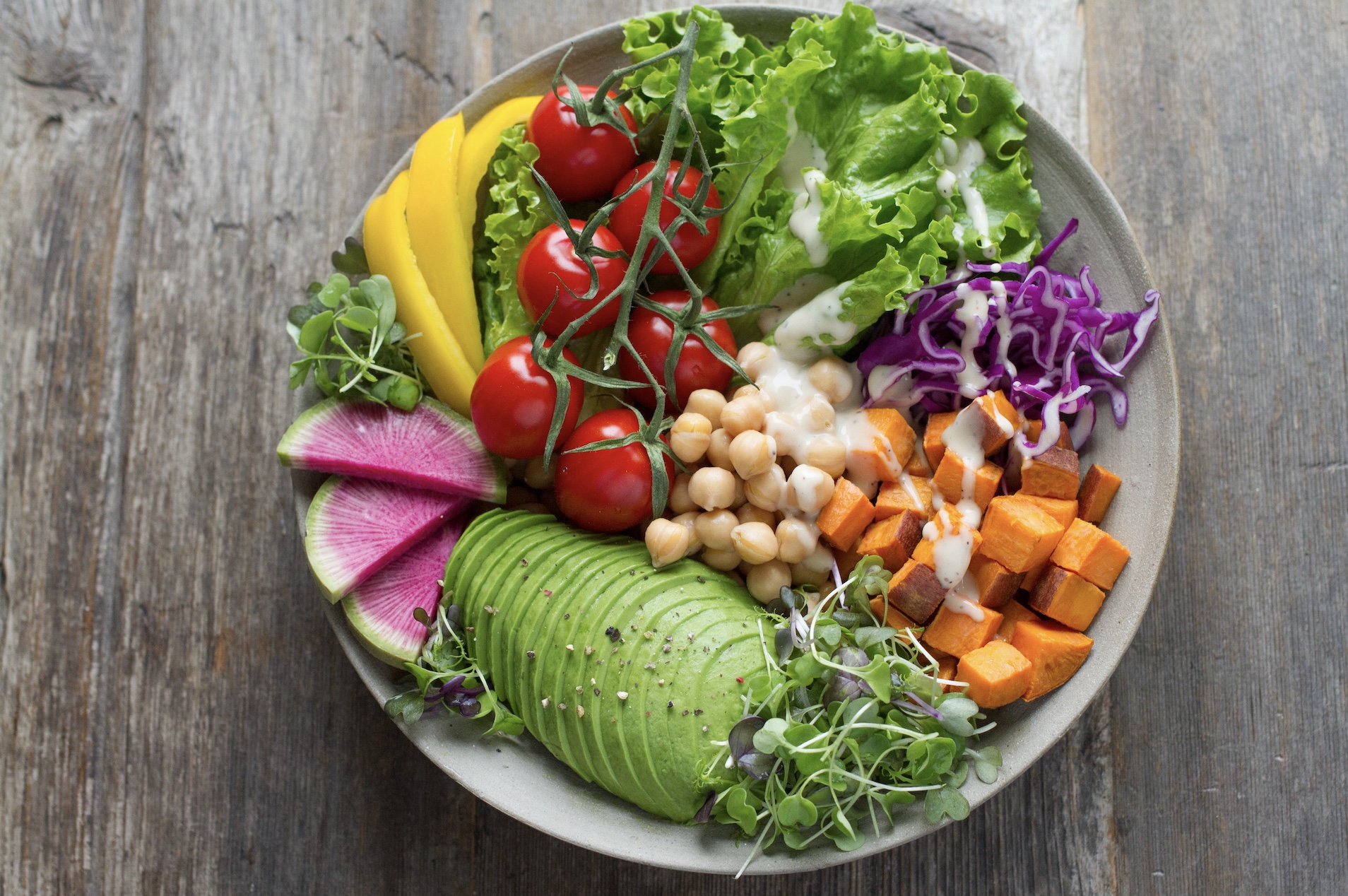
All organic vegetables contain a great range of nutrients. For fertility, it is great to include green leafy vegetables, including silverbeet, spinach, rocket, kale, lettuce, parsley, coriander, mint etc. For women it is essential to eat foods containing folate in a highly absorbable form. These foods are a good source of fibre, as well as being high in vitamins B, C and K as well as beta carotene. You can maximise your daily intake with a green smoothie, big green salad or steamed vegetables with dinner.
Antioxidants within our body and in our diet have the job of dealing with free radicals, which can be implicated in cell damage including damage to our eggs and sperm. Low levels of antioxidants have also been linked to recurrent miscarriage.
The main antioxidants are vitamins A, C and E, selenium, coenzyme Q10, beta carotene, lipoic acid and zinc. Foods rich in antioxidants also tend to be deeply coloured: orange, purple, green, red, pink and yellow. Therefore, add a higher intake of fruits and vegetables to your diet.
Nuts and seeds are full of nutrients. Pumpkin seeds are a great source in zinc, which is an important mineral for the growth and development of both sperm and eggs.
Other sources which are great antioxidants are: Brazil nuts, chia seeds and quinoa.
Fish is a great source of protein and omega 3 fats which are vital for hormone balance and for sperm development and enhance both sperm quality and morphology. Large fish can contain mercury, so avoid tuna, shark, swordfish, barramundi, king mackerel and shellfish. Good fish sources are herring, mullet, salmon, sardines, ocean trout, pilchards and King George whiting.
How much protein do I need for optimal fertility? One gram of protein per kilogram of body weight each day – therefore an easy guide is to eat a palm sized portion of protein at each meal.


